Modern hosting is great. If you're Netflix.
Every small team building a real product hits the same wall. The tools they actually need, Kubernetes, autoscaling, TLS, observability, backups, are built for huge engineering orgs with platform teams nobody can hire.

A tiny crew can run a real product, on a normal server, without an ops team.
Skipper turns any Linux box into a production-grade platform with one command. You get a console, a public URL, automatic TLS, databases, backups, AI, the lot, the same week you sign up.

Ten minutes from a fresh server to a real platform.
Point Skipper at any Linux box you own and walk away to make tea. When you come back, the console is open in your browser and you can log in. That's the whole onboarding.

Then five seconds per release. Forever.
Skipper handles every boring part of a deploy. Container builds, SSL renewals, DNS, ingress, scaling, secrets. The team types one line, gets a public URL with a green padlock, moves on.
- From an image — one line, live in seconds.
- From a Git repo — push to deploy, no CI tinkering required.
- From the browser — non-engineers can ship too.
One screen for the whole product.
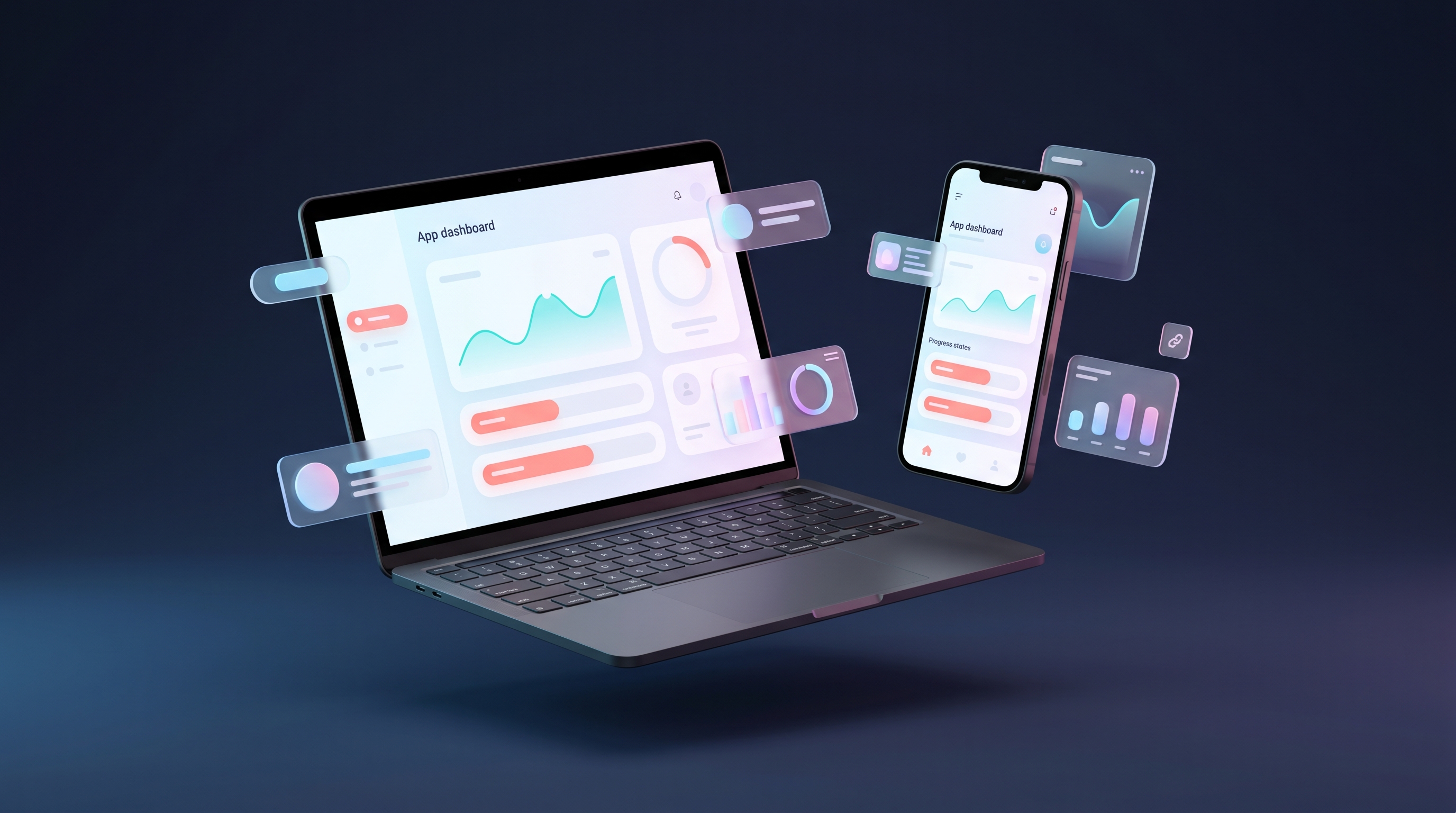
Apps, databases, logs, metrics, secrets, backups, billing for compute, AI, all in one calm interface that looks like a real 2026 product, not a Kubernetes administration panel from 2017.
- Real-time logs streamed straight into the browser
- One click to open a shell inside any running app
- Dark mode out of the box, mobile-friendly
- Shareable with the team without sharing SSH
Every project gets a real URL on day one.
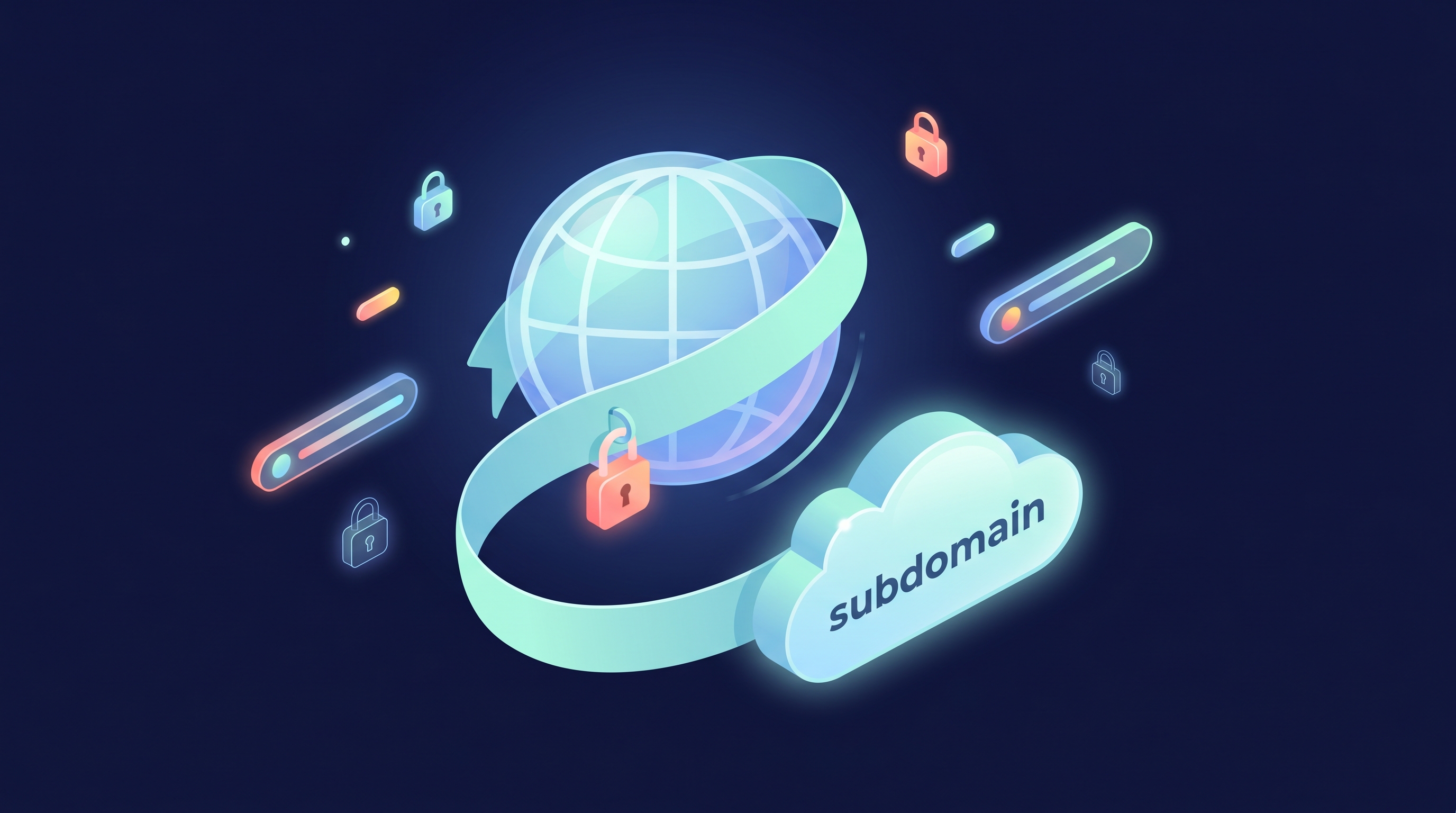
No DNS provider account. No "valid for staging only" stickers. Every cluster gets a free kipper.run subdomain with a wildcard TLS certificate, and your custom domain plugs in when you're ready.
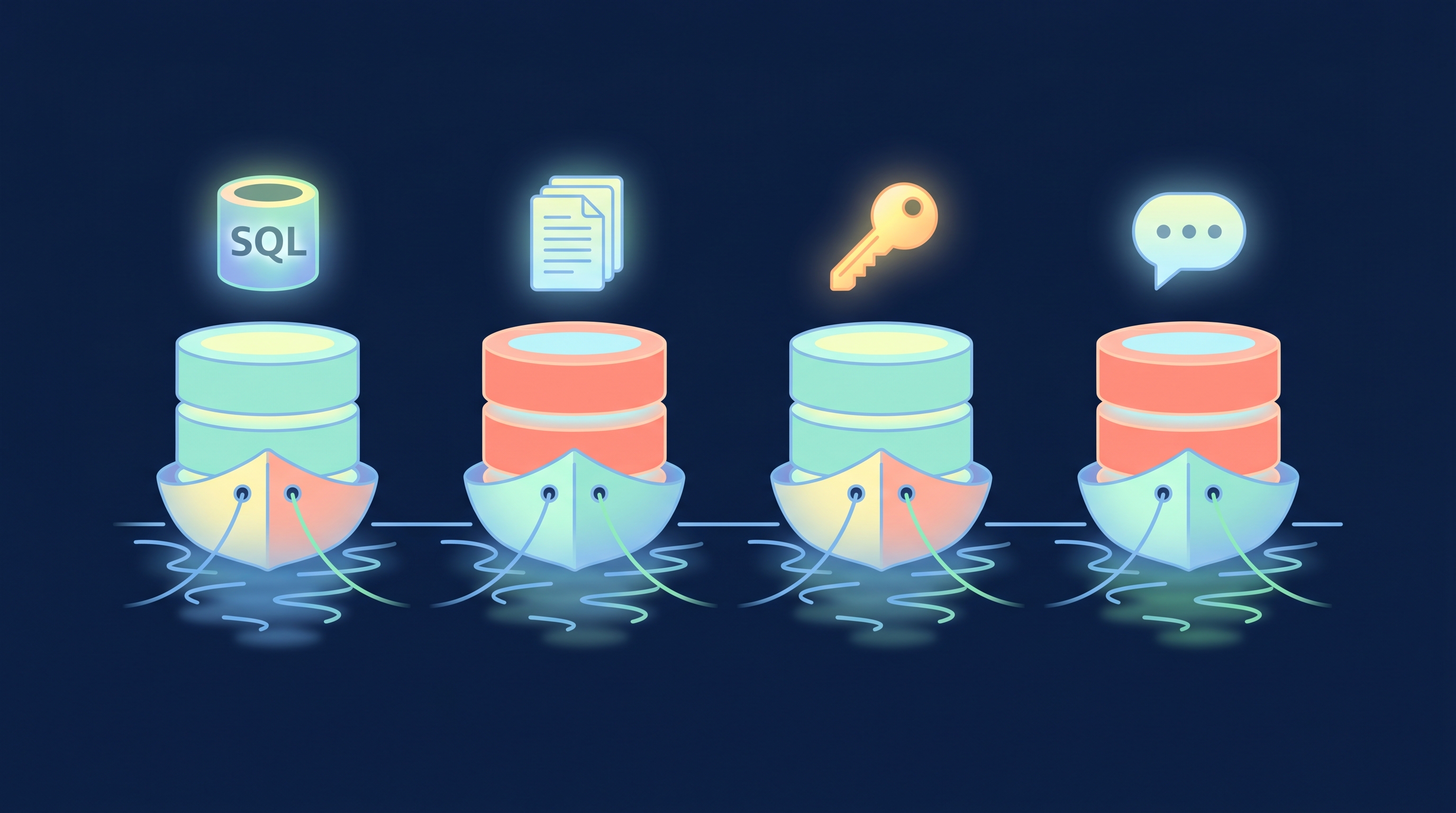
Real databases. No DBA.
Postgres, MySQL, MongoDB, Redis, message queues, search, S3-style storage. Add one with a click. Manage it from a web data console with autocomplete, schema design, and an AI that already knows the tables.
Pre-built apps, one click away.
Need a blog? A wiki? A help desk? A privacy-friendly analytics tool? Pick a blueprint and Skipper installs the whole thing, app, database, storage, working credentials, ready to go.

Your own AI, on your own machine.
One click installs a private chatbot at chat.<your-domain> and an OpenAI-compatible API for your apps. No keys to manage. No token bills. No data leaves your server.
- Talks the same API as ChatGPT, so existing code just works
- Skipper picks a model that fits the hardware you have
- Strong choice for regulated industries, EU data residency, internal docs

Eyes on everything. Without setting up a thing.
Skipper ships with the dashboards, logs, and alerts already wired up. Find a slow request, watch traffic spike during a launch, get pinged when something is wrong. Nothing to install.
- Search every log line across every app
- See trends, latency, errors at a glance
- Slack alerts on stuck pods, memory pressure, real incidents

Sleep at night. Move servers in the morning.
Daily backups from day one. A button in the console to migrate a whole project, apps, databases with data, storage, secrets, to a new cluster. The classic "we need to move providers" panic becomes a 20-minute job.
- Daily automatic backups, 7 days of history
- One-click restore of any project to any cluster
- Disaster recovery to a brand new server in minutes

Safe by default. Not safe-on-paper.
Skipper closes the exposed services that ship by default on every cheap Linux box. It puts every project on its own TLS certificate, isolates them from each other, and hides secrets even from the people running the cluster.
- Automatic HTTPS everywhere, with auto-renewing certificates
- Firewall, host hardening, weekly upgrade checks
- Sign-in with GitHub, Google, or your company's identity provider

For real crews, not platform engineers.
Skipper assumes everyone on your team should be able to ship, not just the one person who knows kubectl. Share access with a single file. Give a designer the same view of production as the lead developer. No SSH keys traded around.
- Invite teammates without sharing servers
- Roles for read-only, deploy, admin
- Same identity for console, CLI, and apps
The cloud-native world is already nautical.
“Kubernetes” is Greek for helmsman. A maritime mark gives Skipper an immediate home in that landscape, next to Kubernetes, Docker, Helm, Harbor, Argo, and the rest of the harbour.
Four directions for the Skipper mark. We'd love a favourite from you.